
Concrete curing time determines when a surface is ready for use, whether that means walking across it, driving a vehicle on it, or building on top of it. In general, concrete is suitable for light foot traffic first, then for vehicle use, and finally for full structural loading once it has reached its designed strength. Understanding this progression helps prevent cracks, surface damage, and long-term structural issues.
Key Takeaway
- Concrete can typically handle light foot traffic after its initial set
- Vehicles should wait until the concrete has gained sufficient strength
- Full building loads should only be applied after the concrete reaches its designed capacity
- Weather and site conditions influence how quickly curing progresses
- Patience during curing helps avoid long-term damage
Understanding Concrete Curing Time
Concrete curing time is the period during which concrete gains strength after placement. It is not the same as drying. While the surface may feel hard relatively quickly, the internal structure continues to strengthen as moisture reacts with cement particles. This ongoing chemical reaction enables concrete to support loads and resist stress safely.
Curing is critical because concrete placed in service too early may appear sound initially but can develop cracks or weak areas over time. A professional concrete contractor Nashville would emphasize that allowing proper curing is one of the most important factors in achieving durable, long-lasting results.
When You Can Walk on New Concrete
Most concrete surfaces become suitable for light foot traffic once the material has set and can resist surface disturbance. This commonly applies to sidewalks, patios, and pool decks. Walking on concrete too soon can leave impressions or compromise surface quality, particularly if the concrete has not cured evenly across the slab.
Weather plays a role as well. In areas like East Nashville, warmer days may accelerate surface setting, while cooler conditions slow it. Even if it looks solid, waiting a full day before walking is a smart practice that protects the finish.
When It Is Safe to Drive on Concrete
Driving on concrete requires more caution because vehicles apply much more weight than foot traffic. Standard guidance suggests waiting at least seven days before driving a personal vehicle on a new driveway. Heavier vehicles should stay longer.
A Nashville TN concrete contractor would often recommend waiting the full week, even if the concrete feels strong earlier. This waiting period allows the slab to reach enough strength to handle tire pressure without cracking or sinking.
When You Can Start Building on Concrete
Building on concrete requires the highest level of strength. Structural loads from walls, frames, or equipment require properly cured concrete. While limited, non-critical work may begin once initial curing has occurred, full structural construction should wait until the concrete has fully developed its intended strength.
This is especially important for foundations and load-bearing slabs. In growing neighborhoods like The Gulch, skipping proper curing time can lead to long-term structural problems that are difficult to correct later.
Factors That Affect Concrete Curing Time
Several factors influence how fast concrete cures. Temperature, humidity, slab thickness, and ground conditions all matter. Hot weather can cause moisture to evaporate too quickly, while cold weather slows the chemical reaction needed for strength.
Site preparation also plays a role. Uneven ground or poor moisture control can delay curing or weaken the slab. Quality Nashville TN concrete services focus on managing these factors to support proper curing from day one.
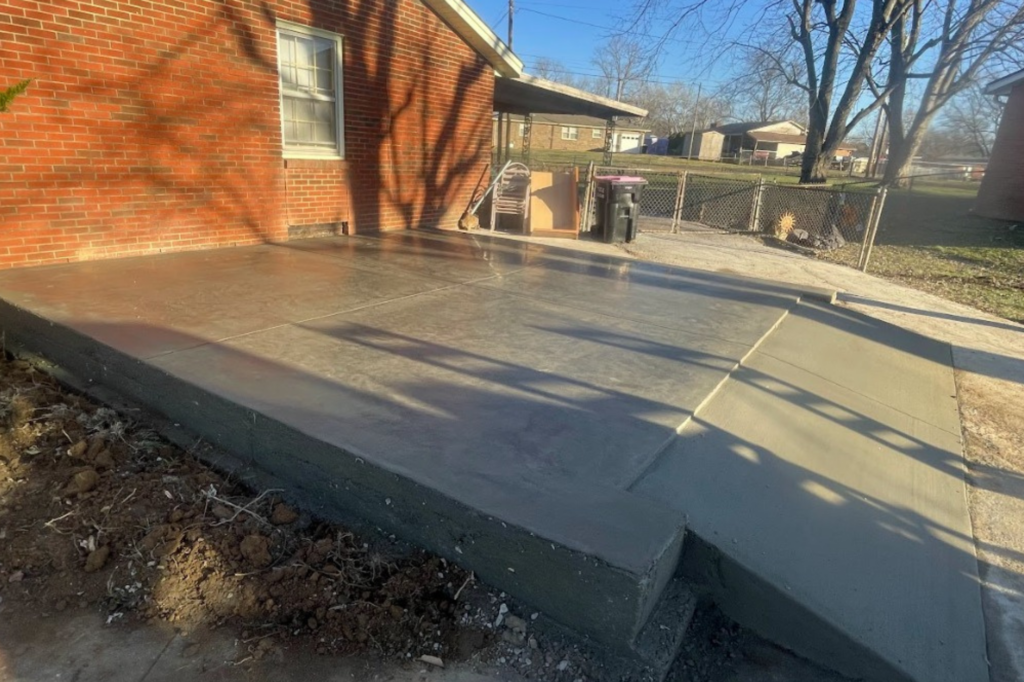
Common Mistakes That Slow Down Curing
One common mistake is exposing concrete to heavy use too early. Another is failing to protect it from extreme weather during the first few days. Some people also believe that surface hardness equates to full strength, which is inaccurate.
Ignoring curing guidelines can shorten the concrete’s service life. Proper timing ensures durability, appearance, and performance over many years.
In Summary
Concrete curing time is critical to determining when a surface is ready for use. While concrete may appear hard within hours, its internal strength develops gradually and requires patience. Knowing when it is safe to walk, drive, or build helps prevent surface damage, cracking, and long-term structural issues. By respecting proper curing timelines and understanding the factors that influence them, property owners can ensure stronger, more durable concrete that performs as intended for years to come. Trust The Outback Builder, INC. to deliver quality workmanship and guidance throughout every step of your concrete projects.
Concrete curing time is not something to rush. If you are planning a project and want professional guidance, ready for a quote? Contact us today to ensure your concrete is handled correctly from start to finish.