
A concrete sidewalk installation is a structured construction process that involves planning, site preparation, placement, curing, and final approval. In the Nashville area, this type of project typically takes one to two weeks to complete, depending on conditions, coordination, and local requirements.
Key Takeaways
- Most sidewalk projects take one to two weeks from start to finish
- Preparation and permits influence the overall timeline
- Weather conditions can affect scheduling and curing
- Installation itself is usually completed in a few days
- Proper curing is essential for long-term performance
Understanding the Timeline From Start to Finish
Property owners often assume that sidewalk work is completed in a single day, but the full timeline includes several phases that happen before and after the surface is poured. A concrete sidewalk follows a sequence that starts with evaluation and ends with inspection; each step must be completed in the correct order to avoid delays. In many cases, concrete sidewalk installation projects move through seven to ten active workdays, with additional time allocated for curing and final review. Understanding this process upfront helps prevent unrealistic expectations and scheduling conflicts.
5 Key Elements of a Concrete Sidewalk Installation
Every successful project relies on a few core components working together. A concrete sidewalk progresses efficiently when these elements are properly coordinated and completed without interruption.
- Site evaluation and layout planning
- Ground preparation and grading
- Form placement and reinforcement
- Pouring and surface finishing
- Curing and final inspection
Each of these elements contributes directly to the overall timeline, and delays in one area often affect everything that follows.
Planning and Site Preparation
The planning stage sets the foundation for the entire project. Crews assess slope, soil conditions, and access points before work begins, and a concrete sidewalk requires a stable base to perform as intended over time. Site preparation may involve clearing existing materials, leveling the area, and confirming measurements. This phase can take several days, depending on site complexity, but it plays a major role in keeping later stages on schedule by reducing the risk of rework or corrections.
Permits and Local Review in Nashville
Local oversight is an important factor in project timing. In Nashville, TN, a concrete sidewalk may be subject to permit review or inspection depending on its location and purpose. Projects that connect to public access areas often must comply with Nashville TN concrete sidewalk guidelines, which can add time to approval and coordination. While this step may not involve on-site work, it is essential for compliance and must be completed before construction can proceed.
Weather and Seasonal Conditions
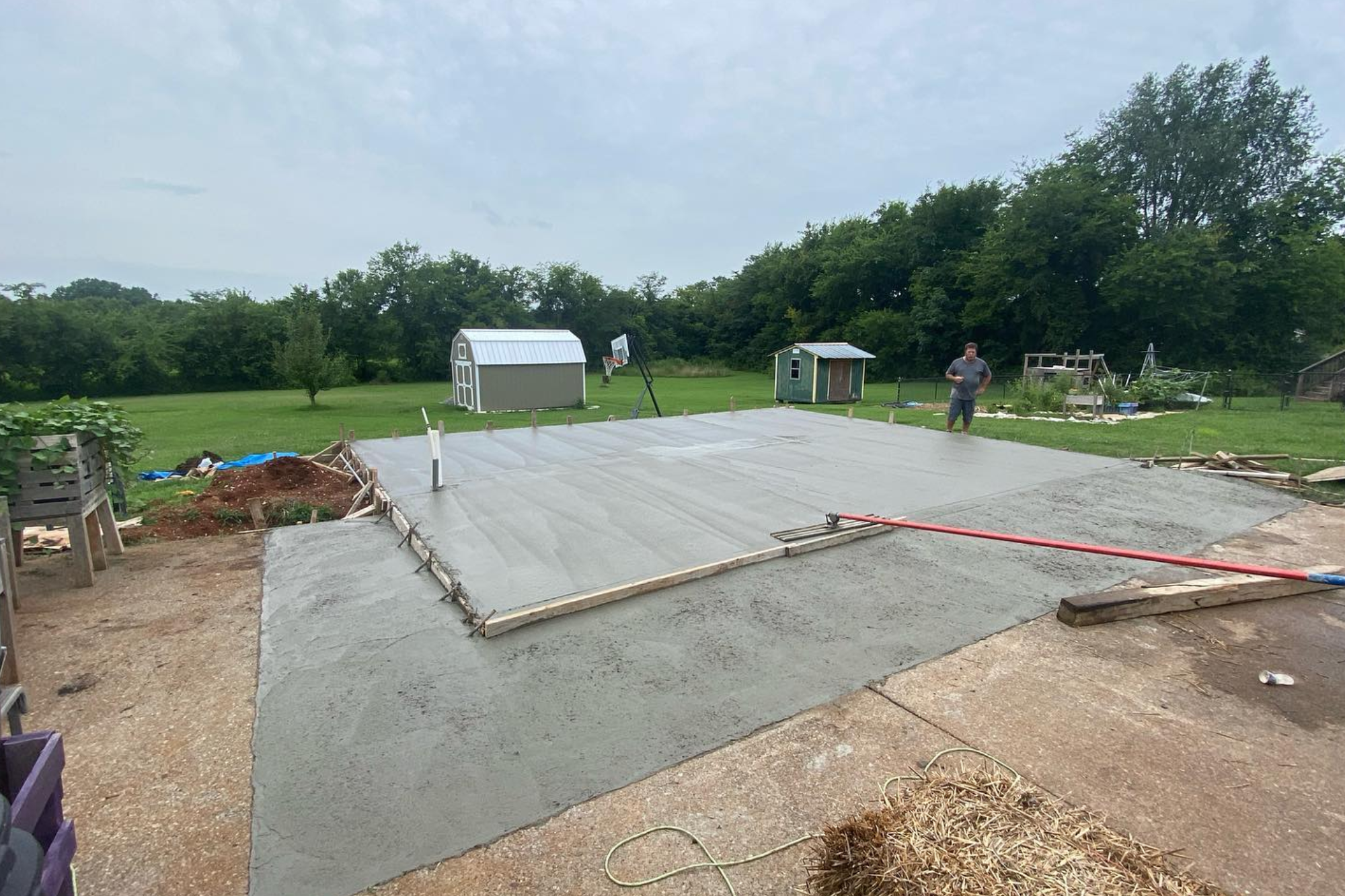
The weather directly impacts construction schedules. Rain, temperature changes, and humidity all affect how work progresses, and a concrete sidewalk Nashville area project tends to proceed more efficiently during periods of stable weather. Excess moisture can delay pouring, while temperature extremes can slow curing. For this reason, scheduling flexibility is often built into timelines to account for weather-related pauses that protect the quality of the finished surface.
Curing, Use, and Completion
Curing is one of the most important yet least understood stages. After placement, a concrete sidewalk needs time to gain strength and durability. Light foot traffic is typically allowed within 24 to 48 hours, but full curing continues for several days. In Nashville, TN, for concrete sidewalk projects, this period ensures the surface performs well under regular use. Final inspection and cleanup follow, marking the official completion of the project once standards are met.
Installation and Finishing Phase
Once preparation is complete and conditions are right, the installation phase moves quickly. Forms are set, materials are placed, and finishing work begins almost immediately. A concrete sidewalk typically takes one to two days to pour and finish, depending on length and design. Crews focus on creating a smooth, level surface that meets the intended-use requirements, and this phase is the most visible part of the project, even though it is not the longest.
In Summary
Understanding how long a sidewalk project takes helps property owners plan more effectively. In the Nashville area, timelines are shaped by preparation, approvals, weather, and curing rather than just the day materials are placed. When each phase is approached with realistic expectations and proper coordination, a concrete sidewalk project moves smoothly from planning to completion. Taking the time to understand the process leads to fewer surprises and a more predictable outcome, an approach consistently followed by The Outback Builder INC.
Ready to move forward with your sidewalk project? Contact us today to discuss your schedule and next steps in the Nashville area.
Frequently Asked Questions
1. How long does a sidewalk project usually take in Nashville?
Most sidewalk projects are completed within one to two weeks, including preparation, installation, and curing. The exact duration depends on site conditions, weather, and permitting.
2. Can a sidewalk be used right after installation?
Light foot traffic is often allowed after the first day, but full curing takes longer. Following usage guidelines during this time helps protect the surface.
3. Does the weather really affect installation time?
Yes. Rain and temperature changes can delay pouring and curing, which is why seasonal planning is important in the Nashville area.
4. Are permits always required?
Permit requirements vary by location and scope. Sidewalks tied to public access or rights of way are more likely to require approval.
5. What marks the end of the project?
A project is considered complete after curing, inspection, and confirmation that the surface is safe and compliant.