
A standard custom deck project takes anywhere from 4 to 12 weeks from the initial consultation to the final inspection. The actual on-site physical construction usually requires only 1 to 3 weeks of that window, while the remaining time is dedicated to detailed architectural design, material sourcing, and local municipal permitting. Total completion duration varies based on the architectural complexity of the design, chosen material availability, and seasonal weather patterns.
When planning an outdoor living upgrade, understanding the timeline prevents unexpected surprises. Many homeowners focus entirely on the physical build phase, only to discover that the pre-construction steps require meticulous planning. Breaking down the process into distinct phases lets you track milestones and prepare your property for construction.
Phase 1: Initial Design and Consultation
The journey begins long before any lumber arrives at your property. This phase is entirely collaborative, focusing on translating your backyard ideas into a functional, structurally sound blueprint. You sit down with a builder to discuss how you intend to use the space, your aesthetic preferences, and your specific lifestyle needs.
This phase involves:
- Establishing the exact dimensions, structural footprint, and elevation of the platform.
- Selecting your primary building materials, such as traditional pressure-treated southern yellow pine or modern low-maintenance composites.
- Determining integrated design features, including custom stairs, integrated seating, multi-level layouts, perimeter railings, and integrated ambient lighting.
A detailed design phase ensures that every structural element of your custom deck in Nashville is carefully considered before work begins. Taking the time to refine these details prevents mid-project changes that can disrupt schedules and add unnecessary complexity.
Phase 2: Architectural Engineering and Permitting
Once the design is finalized, the project moves into the administrative and engineering stage. This phase is crucial for ensuring compliance with local building codes, structural safety, and long-term durability. Complete construction documents, including detailed framing plans, post-installation layouts, and connection details, are compiled and submitted to local building authorities.
Municipal permit processing times vary depending on local agency workloads and specific zoning requirements. While some jurisdictions issue permits relatively quickly, others require several weeks to thoroughly review structural plans.
Navigating local building departments requires precision. A professional team handles all documentation, structural engineering compliance, and zoning verifications on your behalf, managing the administrative details so you can focus on your upcoming backyard transformation.
Phase 3: Site Preparation and Structural Framing
With permits secured, physical work on your property begins. The initial on-site step focuses on site preparation and establishing a robust foundation capable of supporting decades of use. The construction crew clears the designated area, marks out the exact footprint, and begins excavation for the concrete footings.
Following excavation, the team installs the primary structural elements:
- Pouring Concrete Footings: Deep concrete piers are established below the frost line to prevent shifting, settling, or lifting over time.
- Setting Support Posts: Heavy-duty vertical support posts are securely anchored to the concrete footers.
- Installing the Ledger Board: The structural link connecting the framework to the existing house structure is flashed and bolted.
- Framing Joists and Beams: Horizontal beams and floor joists are installed to create a flat, structurally sound substructure.
The integrity of this hidden framework determines the ultimate lifespan of your installation. Proper framing techniques resist sagging, bounce, and environmental wear, ensuring the platform remains safe and stable.
Phase 4: Decking Installation, Railings, and Fine Details
Once the substructure passes initial structural inspections, the project progresses to the surface installation. This is the stage where the structure takes its final visual form. The installation team lays down the floorboards, ensuring uniform spacing and seamless transitions.
Depending on your design selections, this phase incorporates:
- Fastening premium wood boards with high-quality exterior fasteners, or installing hidden clip systems for a sleek, fastener-free composite surface.
- Constructing secure perimeter railing systems utilizing wood, durable aluminum balusters, or modern cable options.
- Building custom staircases, access gates, privacy screens, or built-in perimeter seating benches.
- Integrating low-voltage LED step lights, post-cap accents, and under-rail ambiance lighting.
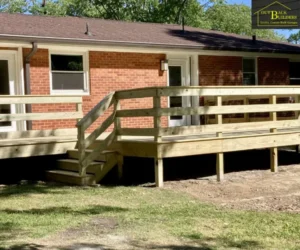
During a recent project coordination for a home in Nashville, TN, our on-site team highlighted how meticulous alignment during this step transforms the final look. Paying close attention to grain patterns and joints ensures a clean, cohesive finish.
Factors That Influence Your Project Timeline
While standard timelines provide a reliable benchmark, every custom property improvement project is subject to unique real-world variables. Being aware of these factors helps set realistic expectations for your build.
Weather Dependencies
Outdoor construction is subject to local weather conditions. Heavy rain, extended wet periods, or freezing temperatures delay critical phases like excavation, concrete pouring, and structural staining. Crews monitor local forecasts closely to optimize productivity during clear weather windows.
Material Selection and Availability
Standard lumber options are generally available for immediate delivery. However, specialty composite boards, custom aluminum railing systems, or premium architectural accents may require extended lead times from manufacturers. Ordering these components early in the design phase minimizes potential scheduling gaps.
Property Topography and Accessibility
Flat, easily accessible backyards allow construction crews to move materials and equipment efficiently. Conversely, steeply sloped yards, limited side-yard access, or rocky soil conditions require specialized manual labor and advanced staging techniques, which extend the site preparation and framing timeline.
The Outback Builder Difference: Craftsmanship Built to Last
At The Outback Builder, INC., we believe the building process should be just as reliable as the finished structure. Family-owned and operated since 1992, our team delivers a fully licensed, insured, and customer-first service rooted in honest communication and exceptional quality.
Every project is built on-site for quality that lasts. We use traditional building methods, relying on heavy-duty nails and structural bolts instead of fast shortcuts, to ensure your investment remains rock-solid for decades.
We eliminate the stress of contractor unreliability and confusing contracts by providing a personalized service experience anchored by straightforward pricing. From your custom design approval to the final inspection, we handle the permits, engineering, and construction to deliver a seamless experience from start to finish.
Whether you are looking to design an expansive multi-level entertaining space or a cozy private retreat, our traditional on-site methods ensure your new custom deck in Nashville will withstand the test of time. For homeowners seeking premier Nashville custom deck services, our third-generation legacy stands as a testament to durable, reliable backyard transformations.
People Also Ask
Do I need a building permit for a custom deck project?
Yes, the vast majority of residential areas require a formal building permit for any structural platform attached to a home or elevated above a specific height. A professional builder manages the entire zoning and permit submission process on your behalf to ensure full safety and structural compliance.
How long does the actual on-site building process take?
While the administrative and design process takes several weeks, the actual on-site construction crew works on your property for only 1 to 3 weeks. This timeframe varies based on the size of the structure, weather conditions, and specific design features.
What is the best time of year to start a custom deck in Nashville?
While construction occurs year-round, late winter and early spring are excellent times to start the design and permitting phases. Initiating the administrative steps early ensures your permits are approved and materials are staged, allowing construction to finish just as the warm outdoor season begins.
Can a sloped backyard extend the construction timeline?
Yes, a sloped property requires specialized engineering, deeper footing excavations, and taller structural support posts. While this adds a few days to the framing phase, an experienced team ensures the finished structure is level and stable.
Start Planning Your Custom Build
Ready to elevate your outdoor living space with a structure designed for generations of enjoyment? Explore our dedicated craftsmanship at The Outback Builder, INC. to see how our family-led team brings long-lasting quality to every backyard.
Visit our website to request a free, no-obligation quote and start a clear conversation about your upcoming custom deck in Nashville, TN.
Let us provide the confidence, peace of mind, and stress-free construction experience you deserve. Contact us today!