
Concrete sidewalks are a key feature of any property, offering a reliable, durable, and visually appealing solution for pedestrians. Whether it’s a residential or commercial space, concrete sidewalk installation enhances accessibility, safety, and curb appeal. This article will highlight why investing in concrete sidewalk construction is a wise choice for property owners. From its long-term durability to its aesthetic versatility, concrete sidewalks offer significant benefits that make them an excellent option for any outdoor space.
Key Takeaway
- Smart long-term investment – Ideal for both homeowners and business owners.
- Exceptional durability – Withstands heavy use and harsh weather.
- Minimal maintenance – Requires little upkeep over time.
- High customization – Available in various designs, finishes, and colors.
- Versatile use – Suitable for residential and commercial properties.
- Strength and longevity – Built to last for decades.
- Aesthetic appeal – Enhances the overall look of your property.
Why Concrete Sidewalks Are the Best Option
When it comes to choosing the right material for your sidewalk, concrete is often the best option due to its durability, low maintenance, and versatility. Concrete sidewalk construction provides a solid, dependable surface that can withstand years of foot traffic and changing weather conditions.
Durability and Longevity
Concrete is widely recognized for its impressive strength and durability. Concrete sidewalk installation offers a long-lasting solution that can endure the test of time. Unlike other materials like asphalt, concrete is less likely to crack, shift, or erode under the weight of heavy foot traffic, vehicles, and changing weather patterns. With proper care and maintenance, concrete sidewalks can last decades without requiring significant repairs.
This makes concrete an ideal material for high-traffic areas, as it can withstand continuous use without compromising its integrity. Whether you need a sidewalk for a busy commercial property or a residential home, concrete ensures reliability and longevity, reducing the need for frequent repairs and replacements.
Low Maintenance and Cost-Effectiveness
One of the primary benefits of concrete sidewalk installation is its low maintenance requirements. Concrete is naturally resistant to wear and tear, meaning it does not need to be resealed or resurfaced regularly, unlike asphalt or other materials. A simple cleaning routine and occasional crack repairs are all that’s needed to keep your sidewalk in excellent condition.
Moreover, while the initial cost of concrete sidewalk construction may be slightly higher than other materials, its long lifespan and low maintenance costs make it a more cost-effective solution over time. Concrete sidewalks require fewer repairs and replacements, which translates to significant savings in the long run.
Aesthetic Versatility
Concrete sidewalks provide endless design possibilities. With a wide range of finishes, textures, and colors available, concrete can be tailored to match the style of any property. Whether you prefer a sleek, modern look or a more traditional design, concrete can be customized to meet your specific needs.
Stamped concrete is a popular option for adding decorative patterns to sidewalks, mimicking the appearance of stone, brick, or other natural materials. Concrete can also be stained or colored to create unique, eye-catching designs that enhance your property’s curb appeal. Whether for a residential home or a commercial building, concrete walkway installation can be designed to complement the overall aesthetic of your space.
The Environmental Benefits of Concrete Sidewalks
Concrete offers environmental benefits that make it a great choice for property owners who want to make an eco-friendly decision. Unlike other materials that may require frequent resurfacing or replacement, concrete’s longevity helps reduce waste and the need for additional resources.
Concrete is also a highly reflective material, which helps mitigate the urban heat island effect, a phenomenon where cities become significantly warmer than surrounding rural areas. By reflecting more sunlight, concrete sidewalks contribute to cooler surroundings, which can help reduce energy consumption in nearby buildings.
Additionally, many concrete mixes incorporate recycled materials, such as crushed glass or reclaimed aggregate, which helps minimize the use of virgin resources and reduces the overall carbon footprint of the construction project.
The Process of Concrete Sidewalk Installation
The process of concrete sidewalk installation requires skilled craftsmanship and attention to detail to ensure a smooth, durable, and long-lasting result. Proper installation is essential for preventing future issues such as cracking or shifting.
Site Preparation
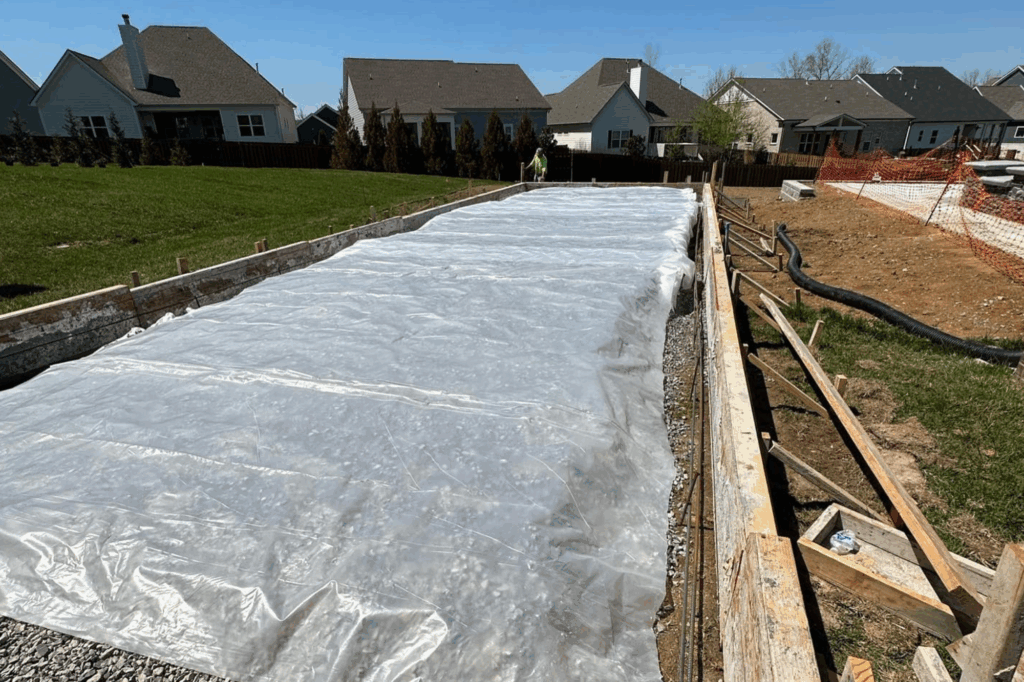
Proper preparation is critical to the success of the sidewalk installation. The area must be cleared of any debris or old materials, and the ground must be leveled to provide a solid foundation. Proper drainage is also essential to prevent water from pooling on the sidewalk, which could cause erosion or cracking over time. Once the area is prepped and the formwork is in place, the site is ready for the concrete pour.
Pouring and Smoothing the Concrete
Next, the concrete is mixed and poured into the prepared forms. Professional contractors ensure that the concrete is evenly distributed and leveled to create a consistent thickness. Special tools are used to smooth the surface and create the desired finish, whether it’s a standard sidewalk design or a decorative pattern.
For a concrete walkway installation, contractors may use stamping techniques or textured finishes to add visual interest. This allows property owners to customize their sidewalks to reflect their personal style or business branding.
Curing the Concrete
Once the concrete is poured, the curing process begins. Curing is critical to the concrete’s strength and durability, as it allows the material to set and harden properly. During the curing period, the concrete must be kept moist to prevent it from drying too quickly, which could lead to cracks. Proper curing typically takes several days, depending on weather conditions.
Final Touches
After the concrete has fully cured, the final touches are applied. This includes checking for any rough areas or imperfections, smoothing them out, and applying sealants to protect the surface. Sealants help prevent stains and water damage, ensuring that the sidewalk remains in excellent condition for years to come.
In Summary
When selecting the best material for sidewalk construction, concrete stands out as the top contender. Its strength, low maintenance, and aesthetic flexibility ensure that it will serve its purpose for many years. If you’re planning a new sidewalk or looking to replace an existing one, concrete sidewalk construction offers the most reliable, cost-effective, and visually appealing solution.
By opting for concrete walkway installation, you are investing in a durable, long-lasting feature that will enhance the functionality and appearance of your property. For both residential and commercial properties, concrete sidewalks from The Outback Builder, INC. provide unmatched reliability and style, making them the smart choice for your next outdoor project.