
Cracked sidewalks are a common sight, where time, weather, and natural ground movement can wear down even well-built concrete surfaces. If you are deciding whether to repair or replace a cracked sidewalk, it depends on the severity of the damage. Some cracks can be repaired quickly with a simple patch, while larger or deeper damage may require full concrete sidewalk construction for long-term stability.
For example, a homeowner noticed small cracks forming in their sidewalk after a particularly rainy season. They started with patching, which worked for a while, but the cracks returned within months. This experience shows why understanding the type and extent of damage is essential before deciding how to repair it.
Knowing when to patch or replace helps maintain both your property’s safety and appearance. Below, we explore the main causes of sidewalk cracks, the most effective repair methods, and how to choose the best solution for your home or business.
Key Takeaways
- Evaluate the Damage – Identify the type and severity of cracks before selecting a repair method.
- Understand the Causes – Tree roots, soil shifts, and weather changes commonly lead to cracking.
- Patch Minor Cracks – Small, shallow cracks can often be fixed with simple patching techniques.
- Replace for Major Damage – Deep or recurring cracks usually require full concrete sidewalk construction.
- Maintain Regularly – Cleaning and inspections help prevent new cracks from forming.
Understanding Sidewalk Cracks
Sidewalk cracks are more than just surface flaws; they can signal deeper structural issues. Changes in temperature, heavy rain, and shifting soil create ideal conditions for cracking. Cracks can range from hairline surface lines to wide separations affecting entire sections. Fine cracks often appear as concrete cures, while wider cracks may indicate movement or pressure beneath the surface. Recognizing these differences helps you determine whether patching or replacement is the right choice.
Why Sidewalks Crack
Sidewalks can crack for several reasons. Tree roots are a leading cause, pushing upward and straining the concrete. Weather changes also play a major role. Heat causes expansion, while cold temperatures cause contraction, creating pressure that leads to visible fractures. Daily use, moisture exposure, and natural ground movement can also accelerate damage. Understanding these causes helps in planning the right concrete sidewalk repair approach to prevent recurring cracks.
Repair Method 1: Patching for Minor Cracks
Patching is an efficient way to restore sidewalks with light or moderate cracking. The process involves cleaning the damaged area, applying a patching compound, and smoothing the surface for a consistent finish.
This method works best for shallow, surface-level cracks that do not affect the sidewalk’s structure. Patching improves appearance and safety without requiring extensive construction. However, it should be viewed as a short-term fix. If cracks continue to spread or reappear, full concrete sidewalk installation may be needed for a lasting solution.
Repair Method 2: Full Replacement for Major Damage
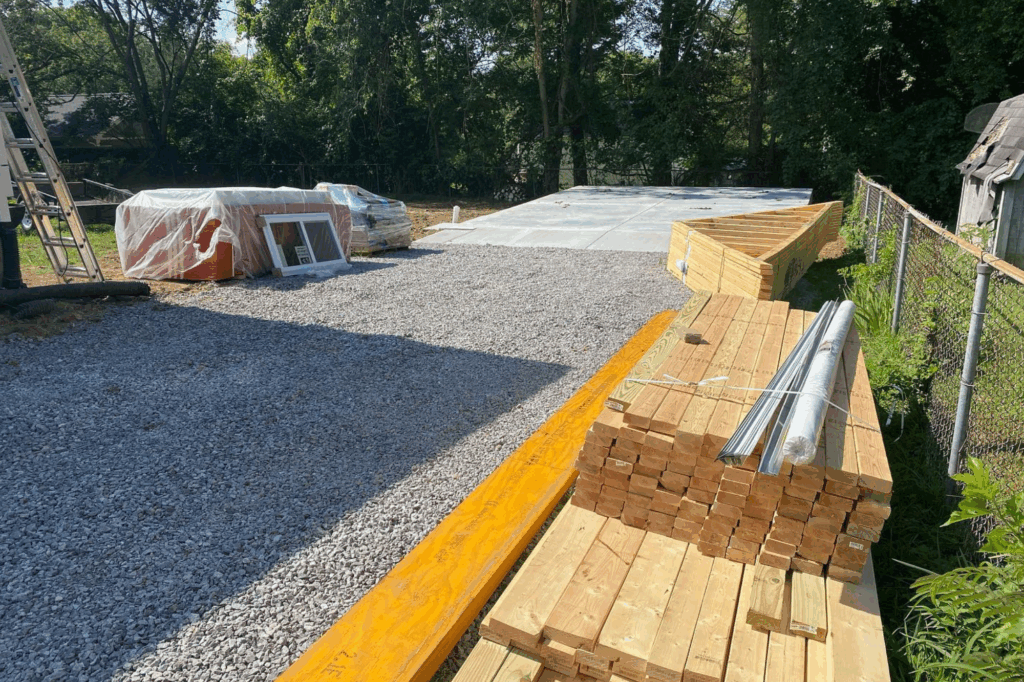
When sidewalks have deep fractures, uneven slabs, or recurring cracks, full replacement is often the best solution. This process includes removing the damaged sections and installing new concrete on a properly prepared base.
Full concrete sidewalk construction provides a durable, level surface that resists shifting and future cracking. It also ensures a solid foundation that can handle years of weather and regular use. Homeowners and property managers often choose replacement when patching no longer maintains a safe or attractive walkway.
Choosing the Right Repair Method
Deciding between patching and replacement depends on the size, depth, and cause of the cracks. Minor surface cracks can usually be repaired quickly, while larger or deeper damage requires complete reconstruction. Consulting a concrete professional can help determine whether patching or full concrete sidewalk construction is the most effective long-term solution.
Maintaining Your Sidewalk
After repairs or replacement, regular maintenance helps prevent future issues. Clean your sidewalk frequently to keep debris and moisture from settling into small cracks. Monitor nearby trees and landscaping to reduce root pressure beneath the surface. Schedule routine inspections to identify early signs of wear and address them before they develop into major damage. A well-maintained sidewalk remains safe, attractive, and durable for years.
In Summary
Determining whether to patch or replace a cracked sidewalk begins with understanding the source and severity of the damage. Patching offers a quick fix for minor cracks, while full concrete sidewalk construction delivers lasting strength for heavily damaged areas. By staying proactive with inspections, maintenance, and timely repairs, you can protect your investment and keep your property looking its best. Trust The Outback Builder, INC. for expert sidewalk solutions that combine durability and quality workmanship.
Ready to repair or replace your sidewalk? Contact our team today for expert guidance on the best repair or installation method for your home or business.