
Aluminum carports resist rust significantly better than galvanized steel because aluminum naturally develops a self-healing, micro-thin aluminum oxide layer that permanently seals the metal from moisture and oxygen. While galvanized steel relies on a temporary zinc coating that gradually degrades and leaves the underlying iron vulnerable to deep structural decay, aluminum contains no iron and is completely immune to red rust. Choosing aluminum eliminates the heavy maintenance, blistering paint, and premature structural failure common with steel frames exposed to seasonal humidity and heavy rain, securing a long-lasting, zero-upkeep investment for your property.
The Chemistry of Metal Oxidation: Inherent vs. Layered Protection
To understand why aluminum stays free of red rust, look at the molecular differences between the two metals. Rusting is a chemical reaction called iron oxidation, which is chemically impossible for aluminum because it contains zero iron. Instead, aluminum forms an instant, dense surface layer of aluminum oxide when exposed to air. If scratched, this self-healing shield immediately reforms, permanently blocking moisture from reaching the metal’s structural core without human intervention.
Galvanized steel relies on a temporary, artificial barrier. Manufacturers coat raw steel with a layer of zinc that acts as a sacrificial shield. This barrier acts like a ticking clock; rain and physical scratches gradually dissolve the zinc, eventually exposing the raw iron underneath. Once iron oxidation takes hold, it spreads internally beneath the surface, rapidly destabilizing the entire structural support.
Performance Comparison: Aluminum vs. Galvanized Steel
| Feature/Property | Custom Structural Aluminum | Traditional Galvanized Steel |
| Primary Corrosion Resistance | Inherent (Alum. Oxide layer) | Sacrificial Barrier (Zinc coating) |
| Susceptibility to Red Rust | Completely Immune | Highly Vulnerable (Once zinc wears off) |
| Self-Healing Capability | Yes (Instantly reforms oxide skin) | No (Scratches lead to immediate rust) |
| Long-Term Maintenance | None Required (Simple garden hose rinse) | High (Scraping, priming, painting) |
| Strength-to-Weight Ratio | High (Lighter frame, less joint stress) | Low (Extremely heavy, high load stress) |
| Lifespan in Humid Climates | Indefinite structural integrity | Limited (Gradual coating depletion) |
Steel vs. Aluminum: Weather Resiliency
The lifespan of an outdoor structure depends heavily on regional weather. In high-humidity environments like the Nashville region, seasonal transitions and morning condensation accelerate the breakdown of treated steel frames, whereas aluminum remains unaffected.
- Galvanized Steel: High humidity and trapped moisture act as electrolytes, depleting the sacrificial zinc coating. Once this protective layer is compromised, the underlying steel rapidly oxidizes, causing paint to bubble and joints to structurally weaken where water pools.
- Aluminum: Instead of a temporary topcoat, aluminum features a fully integrated protective oxide layer. It will not bubble, peel, or flake, allowing the structure to maintain its clean appearance and full load capacity even under heavy weather stress and atmospheric pollution.
Core Vulnerabilities of Steel Frames
While galvanized steel is heavily marketed for outdoor use, it possesses several distinct weak points that property owners should look out for over time:
- Fastener Failure Zones: Pre-drilled bolt holes slice straight through the protective zinc coating, exposing raw steel to trapped moisture.
- Crevice Corrosion: Water pools seamlessly in overlapping steel joints, stripping the zinc layer faster than on open, flat surfaces.
- Micro-Fracturing: Ground shifting and heavy wind loads flex the rigid steel frame, causing tiny fractures in the brittle, exterior zinc layer.
- Acid Rain Sensitivity: Industrial pollutants and slightly acidic rainfall react chemically with zinc, dissolving the sacrificial barrier prematurely.
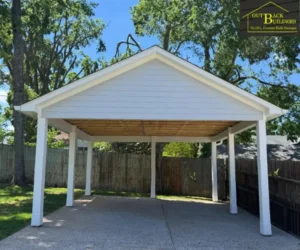
How to Assess Your Property for a Custom Carport Installation
Planning ahead ensures your new outdoor structure functions safely and looks excellent for decades to come.
Step 1: Analyze Your Vehicle Clearances and Footprint
Before building, measure the exact dimensions of the vehicles you intend to shelter. Account for total length, width with open doors, and height clearance, especially if you plan to store a high-profile truck, an RV, or heavy trade equipment.
Step 2: Evaluate Environmental and Sun Exposure
Track how sunlight and seasonal weather hit your designated building zone. Position the structure to block the harshest afternoon UV rays and dominant wind patterns, ensuring maximum shelter from blowing rain or falling debris.
Step 3: Check Regional Soil and Grade Dynamics
Examine the slope of the installation site. Proper grading avoids water accumulation around foundational columns. During a recent property evaluation for a custom residential setup near La Vergne, our master builders emphasized that establishing solid, level foundations is paramount to keeping structural loads evenly balanced.
Step 4: Finalize On-Site Assembly Specifications
Avoid prefabricated, snap-together kits that compromise long-term durability. Ensure your build plan utilizes heavy-duty components and traditional fastening systems that can stand up to high wind stress without shifting or rattling.
The Importance of Precision On-Site Construction
A structure’s longevity depends as much on assembly quality as it does on raw materials. While mass-produced carport kits use thin-gauge materials and flimsy fasteners that rattle and shift in high winds, custom on-site construction ensures lasting durability.
- Traditional Craftsmanship: Tailoring a frame directly on-site allows for perfect alignment and leveling. Using heavy-duty mechanical fasteners like heavy-gauge nails and robust steel bolts prevents the loose joints and structural shifting that cause micro-tearing of protective coatings.
- Structural Integrity & Value: Custom building eliminates the gaps and alignment errors common with factory kits by adapting precisely to the ground contour and the home’s architecture. This ensures wind and weight loads are distributed evenly, maximizing safety and turning the shelter into a permanent asset that enhances property value.
Crafting Long-Lasting Structural Assets for Local Homeowners
Family-owned and operated since 1992, The Outback Builder, INC. is a fully licensed and insured, third-generation contractor dedicated to crafting durable, on-site custom structures across the Nashville region. Built on integrity, transparent pricing, and clear communication, we provide a stress-free experience from start to finish without resorting to shortcuts or hidden surprises. By utilizing premium materials and time-tested, traditional building methods with robust nails and bolts, our experienced team ensures every frame comfortably withstands unpredictable local weather, delivering dependable quality and personalized care that lasts for generations.
We understand the stress of dealing with unreliable contractors, unclear timelines, and storage or durability concerns. As your dependable partner, we handle all the heavy lifting to provide absolute peace of mind. When you choose our team for premium carports in La Vergne, TN, you secure a custom-built solution from local specialists dedicated to protecting your home’s long-term value.
For those exploring options for carports in La Vergne, we customize every dimension to perfectly match your vehicles, whether you need extra clearance for a large truck, an RV, or multiple family vehicles.
Our deep familiarity with local building codes and regional weather patterns ensures that your custom La Vergne carports are engineered to stand solid for decades. We are committed to creating an open, warm, and highly professional relationship with every client, ensuring you feel entirely supported as we bring your property vision to life.
People Also Ask
- Can aluminum carports handle heavy snow and high winds?
Yes. Engineered aluminum features an exceptional strength-to-weight ratio. When built on-site with heavy-duty fasteners, it easily resists severe wind and heavy snow without bending or buckling.
- Will the finish fade or peel over time?
No. Unlike steel coatings that crack and blister, aluminum’s integrated oxide layer resists UV degradation, preventing peeling, flaking, or major fading.
- How does its lifespan compare to galvanized steel?
Aluminum lasts significantly longer because it cannot rust. While galvanized steel degrades once its temporary zinc coating wears away, aluminum maintains its structural integrity indefinitely with minimal maintenance.
- What foundation is required?
To ensure long-term stability, custom shelters are anchored directly into deep concrete footings or poured slabs, keeping the structure level and secure against severe weather.
Secure Your Custom Vehicle Protection Today
Protecting your valuable vehicles from the elements requires an outdoor structure that is built to last without demanding constant maintenance. If you are ready to invest in a premium, rust-free storage solution for your property, visit The Outback Builder, INC. to explore our customizable options.
Contact us today to request a free, no-obligation quote and start an honest conversation about your upcoming project.